
Cape Verde,
the country of a thousand faces,
a paradise for everybody
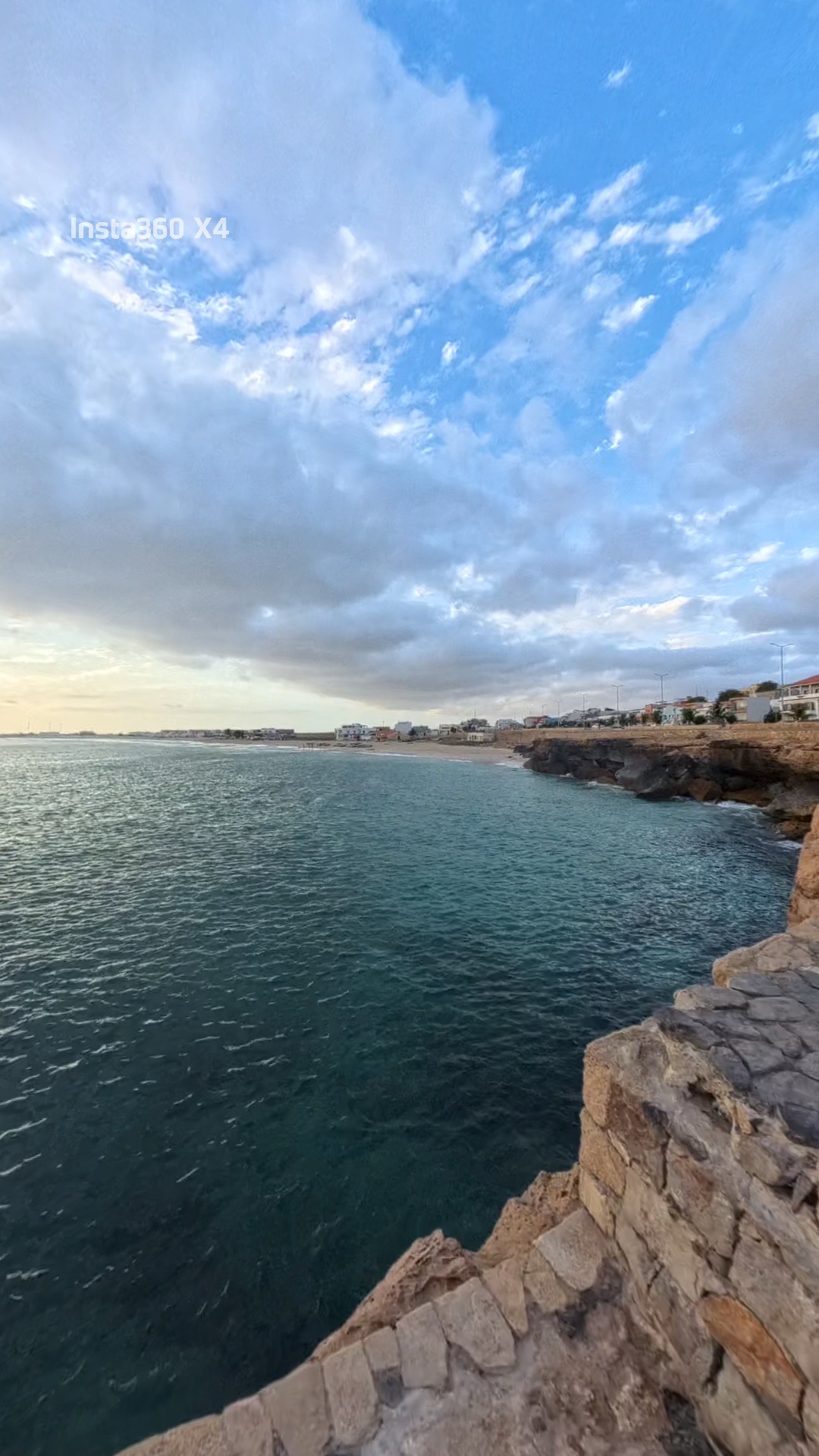
The Cape Verde archipelago is located off the coast of Senegal at a distance of about 450 km from the coast. It is the westernmost point in Africa and the most European in terms of tradition.
It comprises 10 volcanic islands (9 of which are inhabited) and each one is a treasure trove in its own right in terms of natural beauty and peculiarities.
Considering the northeast trade wind exposure, the islands are geographically divided into two groups: Barlavento (upwind) and Sotavento (downwind).
The former includes Sal, Boavista, Sao Nicolau, Santa Luzia, Sao Vicente and Santo Antao while the latter, Maio, Fogo, Santiago and Brava.
Although some speak of islands being known as early as the 10th century, the first news about the Cape Verde archipelago dates back to 1460 and relates to the landing of Portuguese navigators on the shores of the islands of Santiago, Boavista, Maio and Sal.
You won’t be in the archipelago long before you see the national flag fluttering atop a beach bar or draped across a souvenir kiosk. Cabo Verdeans are proud of their flag and what a flag it is. It’s a pretty symbolic affair, the blue background representing the Atlantic and the sky, the red bands across the middle the blood of the people in their struggle for the independence, the white band stands for peace, and the 10 yellow stars? They are 10 islands of the archipelago.
We recommend purchasing a SIM card upon your arrival at the airport. Indeed, depending on the island you are visiting, you will not always find wi-fi in restaurants and hotels. There are 3 companies in Cape Verde: Unitel, Tmais and Alo: on average 8 GB for 12,00 €.
The currency of Cape Verde is the escudo (1 € = +/- 110 escudos). We recommend getting your money from an ATM. Each international airport in Cape Verde has one. You can take out a maximum of 20.000,00 Esc with a fee of +/- 165 Esc. Credit cards are only accepted in larger and medium-size businesses (we always recommend taking cash with you). Some business charge an extra fee of 200,00 Esc when you pay with a credit card.
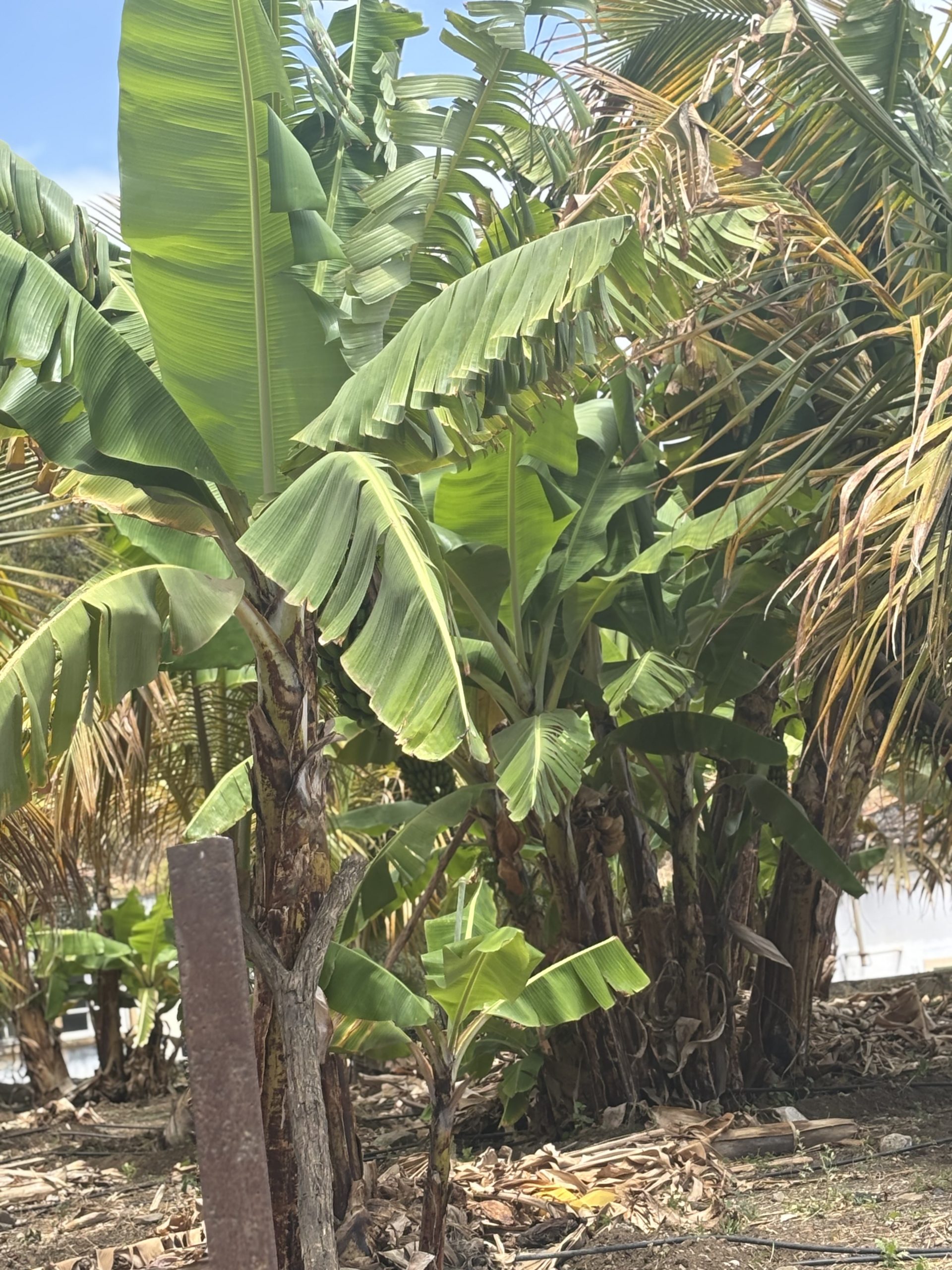
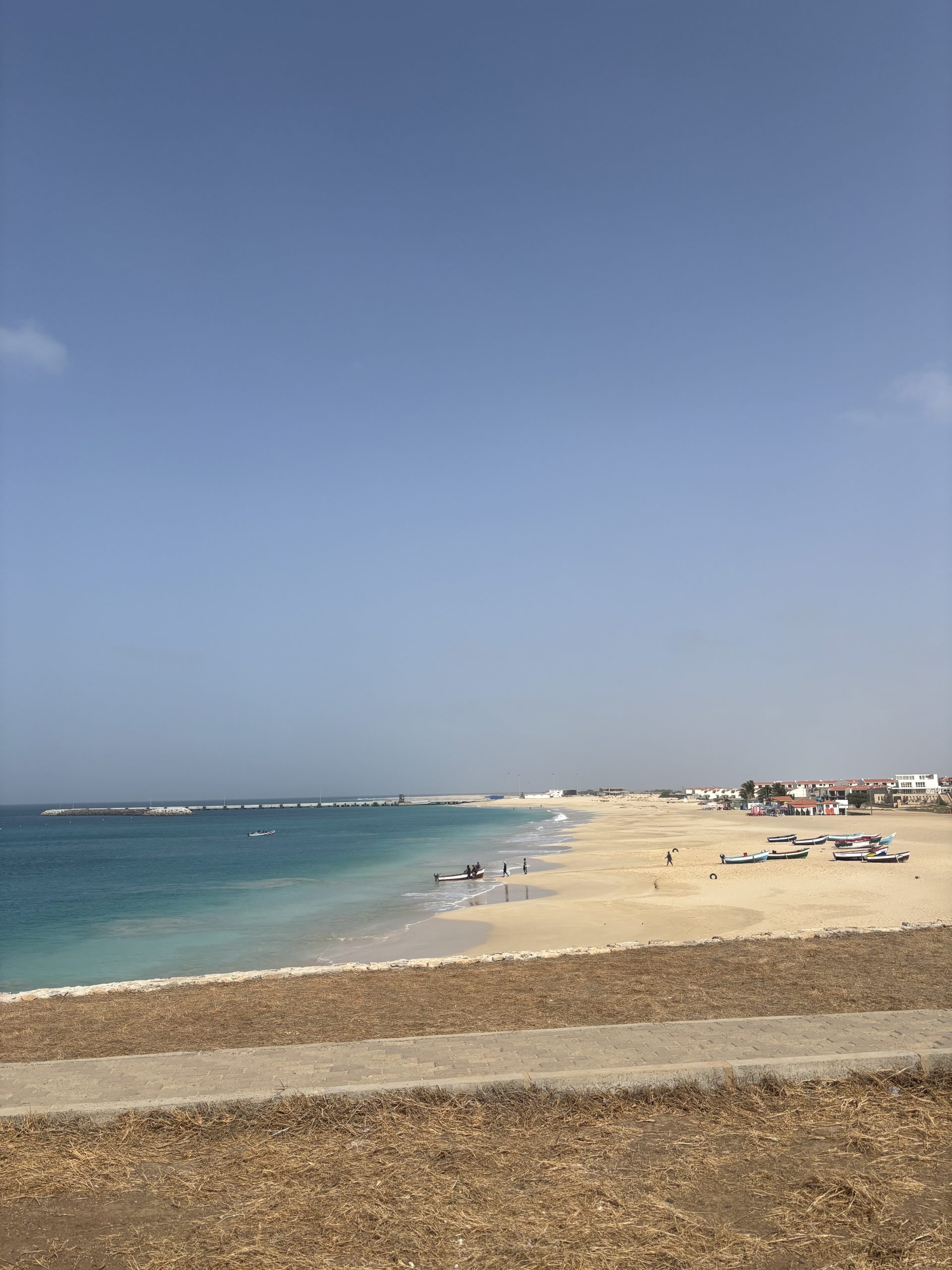
The costs of travelling depend on the island that you are visiting. If you travel to Sal or Boavista, you can expect prices such as in Central Europe because are turistic islands. In Santiago and São Vicente there is a wide range of offerings between tourist places and also local. If you travel to Maio island (still very virgin) and to the “hiking islands”such as Brava, Santo Antão or Fogo, you can estimate € 40,00 per night and € 25,00 in food per day. There are average amounts and of course, there are always cheaper or more expensive alternatives.
Bring all the medications you need to take daily because you may not find them in pharmacies. Avoid drinking water from the tap and even brushing teeth with this water. Also beware of the ice you find in bars and restaurants. Bring a mosquito and bug spray. At the food level, watch out for cheeses that yCou might buy on the street and also food that might not be perfectly cooked and thus cause intestinal viruses. We recommend getting a reliable health and travel insurance.
Once you have figured out how to get around in Cape Verde, it is very easy to move around the different islands.
Flights
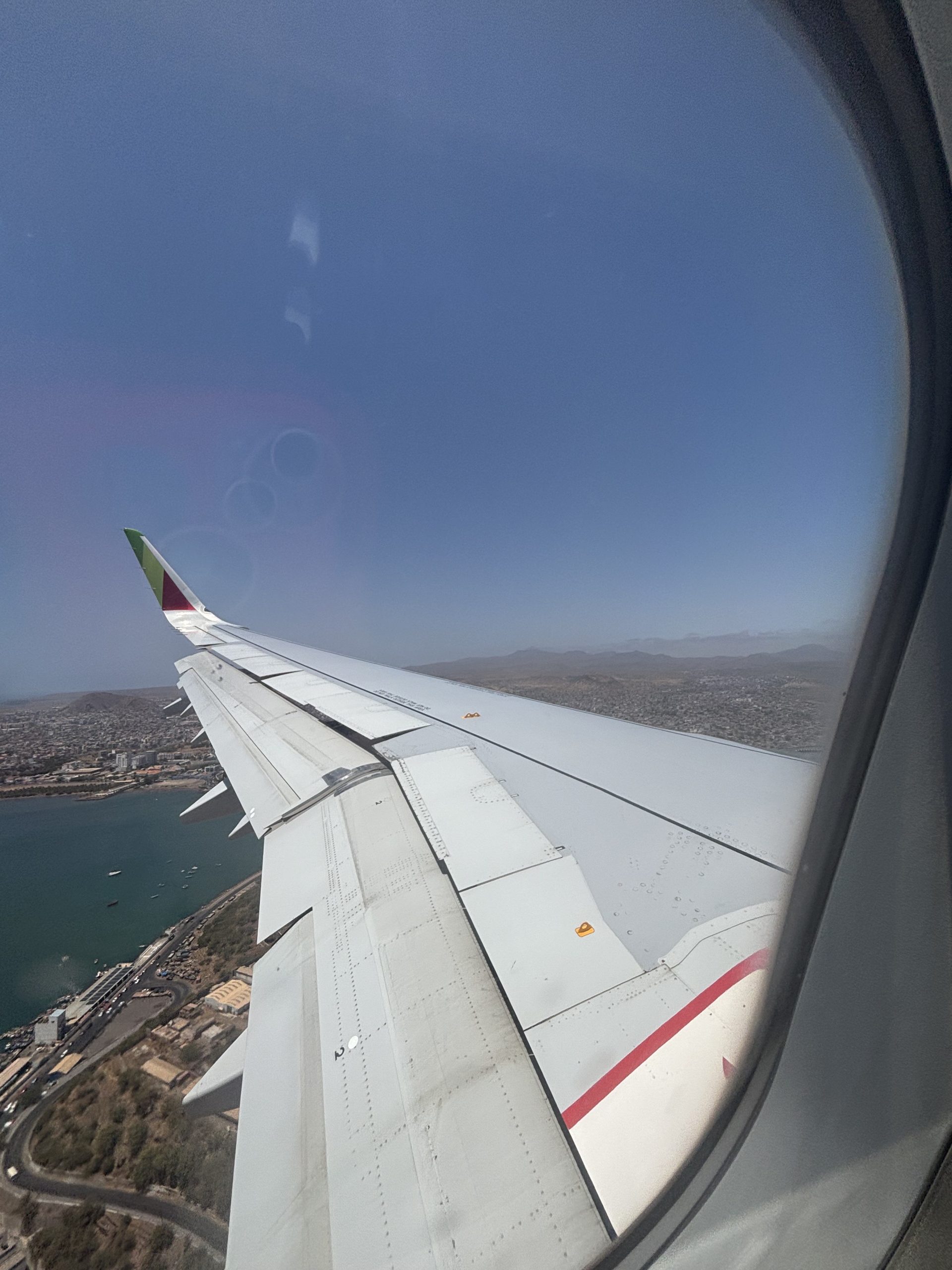
The islands with international airports are Sal, Boavista, São Vicente and Praia.
The islands with national airports are Maio, Fogo and São Nicolau.
Plane tickets are easy to buy: www.caboverdeairlines.com
We recommend that you book them at least a month in advance to avoid the risk of not finding seats.
Ferry tickets
This is cheapest solution and we recommend it to people who are not seasick.
You can buy tickets online: www.cvinterilhas.cv (up to 90 minutes before departure).
The official language is portuguese, but the population speaks 'cape verdean creole' composed of a mixture of portuguese and languages of african origin. english, french and italian are widely spoken in the more touristy areas.
Passport valid for 6 months.
Is not required for stays for tourism purposes.
90% of the population is catholic christian.
There are no endemic or tropical diseases and no vaccinations are necessary.
Electricity is 220 v.
Sign up for our newsletter to explore new destinations for your next adventure. Receive a 10% discount on your trip and a travel form with all the information.

Menu
Contact Info
Follow Us
© Copyright 2025 Caboverdegreen Número de Identificação Fiscal 282683003 – Privacy Policy – Cookies Settings

Sign up for our newsletter to explore new destinations for your next adventure. Receive a 10% discount on your trip and a travel form with all the information.